
How Long Do E-Bikes Last?
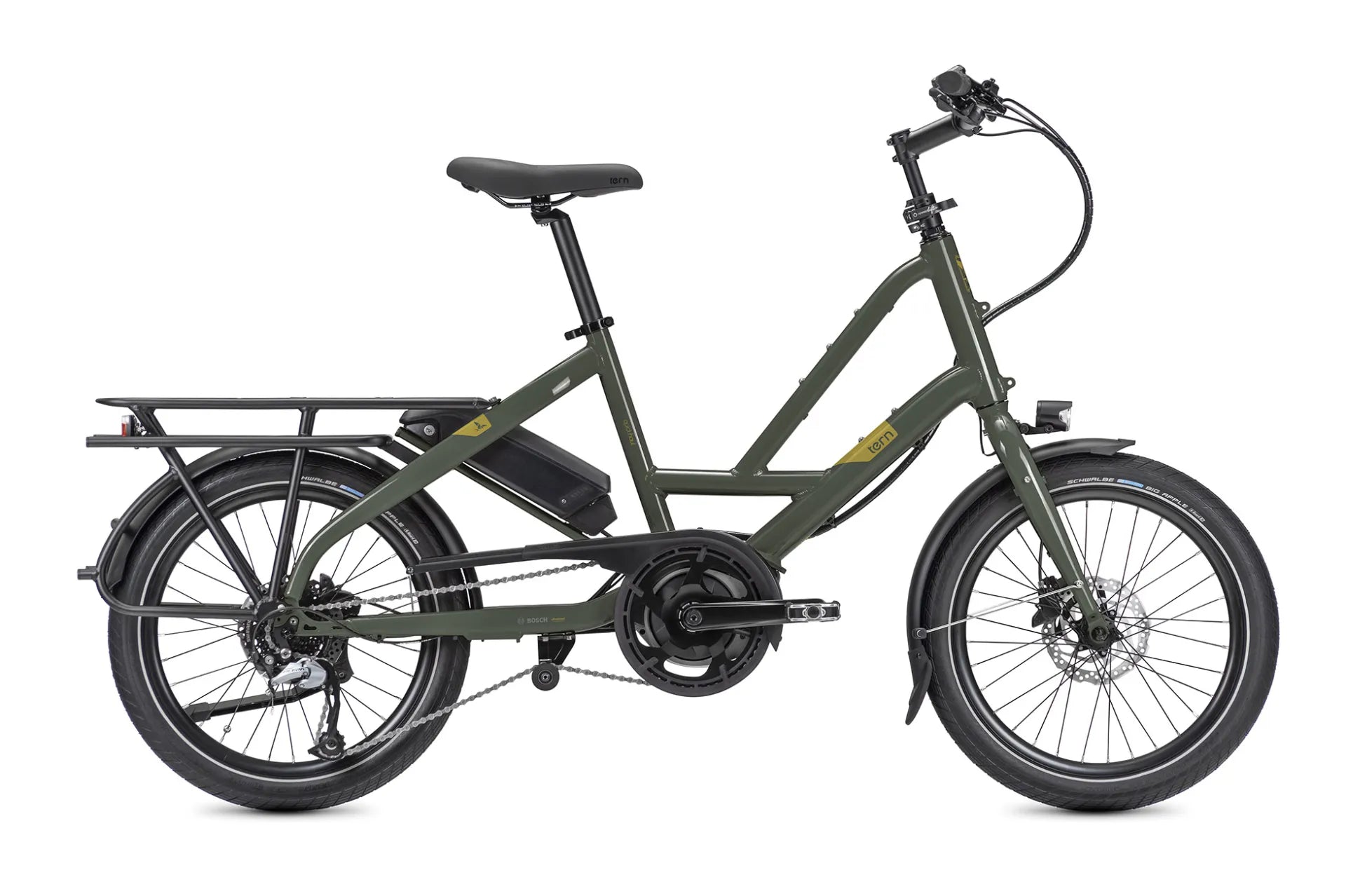
If you’re considering an electric bike, one of the most important questions to ask is: "How long does an e-bike last?" While the lifespan of an e-bike varies, a good-quality, well-maintained ebike can typically last 5 to 10 years, sometimes even longer.
Several factors impact e-bike longevity, including frame strength, battery lifespan, motor durability, and overall component quality. Just as important is routine maintenance. Neglecting an ebike battery, motor, or drivetrain can lead to premature wear, reduced performance, and costly repairs.
This guide will help you understand what affects an ebike’s lifespan and how to choose an e-bike that’s built to last, so you can ride confidently for years to come.
Contents
- Certified Tough and Durable Frame
- E-Bike Battery & Motor: How Long Do They Last?
- Routine Maintenance for E-Bike Longevity
- How to Choose a Long-Lasting E-Bike: Tern’s 'Built to Last' Philosophy
- Frequently Asked Questions
Certified Tough and Durable Frame
The frame is the backbone of an e-bike, directly affecting durability, stability, and ride quality. A well-built frame can handle daily rides, heavy loads, and rough roads for 10 years or more, while a poorly made frame may crack, feel unstable, or fail within just a few years.
At first glance, many electric bike frames look similar, making it difficult to tell which ones are actually built to last. One easy way to identify a strong, durable frame is by checking for frame certifications.
For example, in the US, all ebikes must meet basic safety standards, which do not include any rigorous frame stress testing. To ensure higher durability and reliability, some manufacturers certify their e-bikes to ISO 4210, a voluntary mechanical safety standard that tests frame strength under repeated stress. The European EN 15194 standard includes similar frame testing but also evaluates electrical systems for safety.
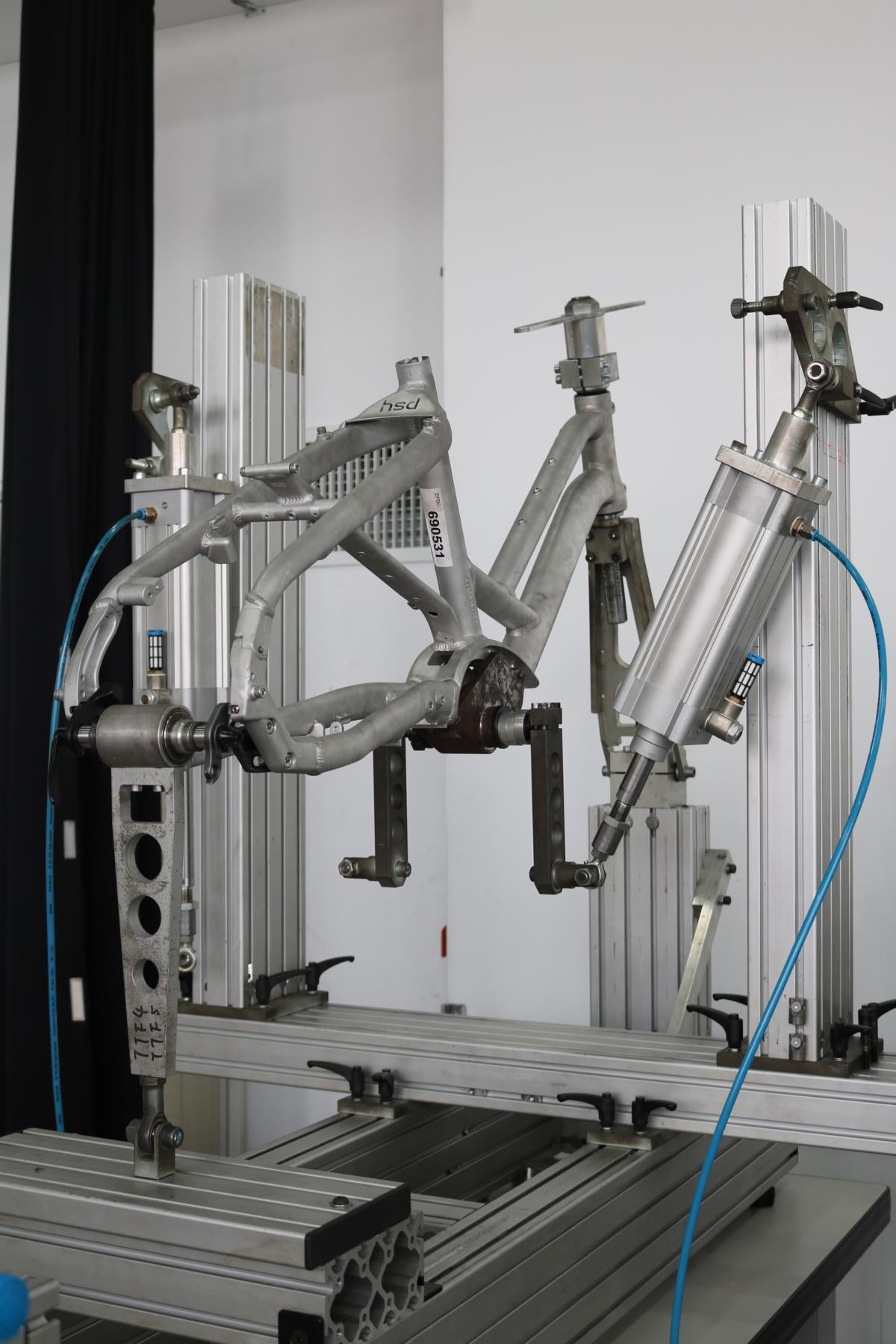
If you plan to carry passengers or cargo, weight plays a major role in frame longevity. Heavy loads create greater stress, especially during bumps, sharp turns, or sudden stops. ISO 4210 and EN 15194 typically test up to 120 kg (265 lb), so if you need a bike with a higher weight capacity, look for DIN 79010 certification.
DIN 79010 is a cargo bike-specific standard, testing cargo bike and electric cargo bike frames for up to 250 kg (551 lb) while also evaluating braking and passenger safety. For hauling heavy cargo or transporting passengers, DIN 79010 offers the highest level of assurance that the cargo ebike is engineered to handle real-world conditions safely.
While frame certifications aren’t always required, they demonstrate superior engineering and long-term durability. When researching electric bikes or cargo e-bikes, checking for these certifications can help ensure you’re investing in a frame that lasts.
E-Bike Battery & Motor: How Long Do They Last?
An e-bike’s battery and motor are its most essential electrical components, directly impacting the bike’s performance, reliability, and lifespan. Choosing a high-quality system and maintaining it properly can mean the difference between years of smooth riding and costly repairs down the road.
Battery Lifespan & Replacement
An e-bike battery’s lifespan depends on how and where you ride. Carrying heavy loads, climbing hills, and riding in extreme weather all put extra strain on the battery, causing it to degrade more quickly over time. Most e-bike batteries last between 500 and 1,000 full charge cycles, translating to roughly 12,500–35,000 miles (20,000–56,000 km) if you’re getting 25–35 miles (40–56 km) per charge. This means that a quality lithium-ion battery can last anywhere from 3 to 8 or 9 years before its capacity significantly declines.
However, even the best battery won’t last forever. Unlike other bike components, there’s no universal industry standard for e-bike batteries, so replacements depend entirely on the bike or e-bike system manufacturer. Lithium-ion cells degrade over time, even if they’re rarely used, making battery replacement a necessary part of long-term ebike or ecargo bike ownership.
If you plan to keep your e-bike for 10 years or more, choosing a brand with long-term battery availability is essential. Unlike standard bike parts, batteries can’t be stockpiled indefinitely, so replacing a battery usually means it’s still being manufactured. Some manufacturers, like Bosch, commit to producing replacement batteries for years even after a product is discontinued, ensuring riders can swap out aging batteries instead of retiring an otherwise perfectly functional e-bike.
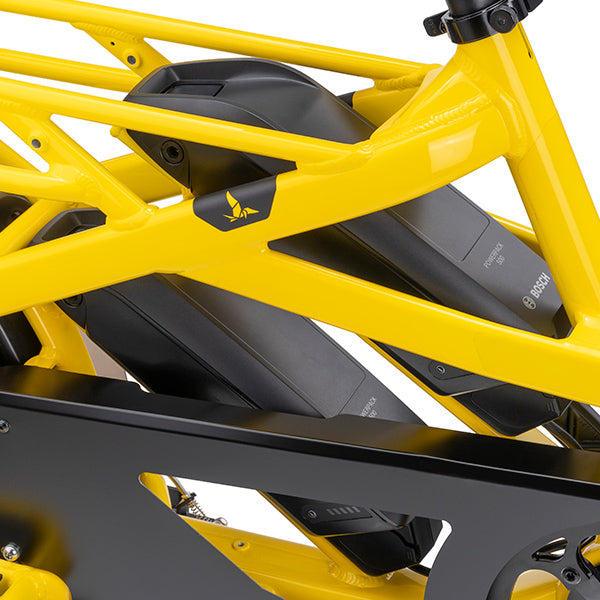
Without access to a compatible replacement battery, an ebike can quickly become unusable. Some budget brands lack the scale or planning to offer long-term replacement battery options, making it difficult, or even impossible, to find a compatible battery after just a few years. Choosing an ebike with a battery from a reputable, well-supported system ensures long-term usability and protects your investment.
Battery Safety & UL 2849 Certification
Battery safety is just as important as longevity. Choosing an e-bike system that meets UL 2849 certification ensures fire safety, electrical reliability, and long-term performance. UL 2849-certified systems undergo rigorous testing to prevent overheating, short circuits, and thermal runaway, reducing the risk of battery fires or sudden failures. A safer, well-protected battery not only prevents dangerous malfunctions but also extends the life of your e-bike’s entire electrical system.
Dig into the details: What You Need to Know About E-Bike Battery Safety
E-Bike Motor Lifespan & Serviceability
The motor is another key factor in an e-bike’s lifespan. Hub motors typically last 3–7 years, while mid-drive motors last 5–10 years because they integrate with the bike’s gearing system, reducing strain and improving efficiency. Mid-drive motors also dissipate heat better, helping prevent premature wear, especially when carrying cargo or climbing hills.
When it comes to motor durability, serviceability makes all the difference. Hub motors, which are sealed inside the wheel, are difficult to repair and often require full replacement if they fail. Mid-drive motors, on the other hand, are easier to service, making repairs more cost-effective over time.
Choosing a brand with strong service support is crucial. Companies like Bosch offer certified local service centers, where trained technicians use diagnostic tools to assess battery and motor health, detect issues early, and keep your system running smoothly. Having local access to professional service ensures that your ebike remains reliable for years to come.
Bike Maintenance & Parts: How to Keep Your Ride Running for Years
An e-bike may have extra power, but at its core, it’s still a bicycle, meaning brakes, wheels, tires, and drivetrain components will wear out over time. While high-end e-bikes come with more durable parts, long-term reliability depends on regular maintenance and access to replacement components. Choosing an e-bike with standard, serviceable parts ensures you can keep it running for years.
Routine Maintenance for E-Bike Longevity
Like any vehicle, an ebike needs regular maintenance to stay safe, reliable, and efficient. Simple habits like checking tire pressure, inspecting brake pads, and lubricating the chain prevent small issues from becoming costly repairs. Drivetrain maintenance is especially important, as a worn chain or cassette can cause premature wear on the motor.
Battery and motor care are just as crucial. If storing your e-bike for a while, keeping the battery charge between 20–80% and storing it in a cool, dry place helps extend battery lifespan and prevents unnecessary degradation.
The Importance of Professional Tune-Ups
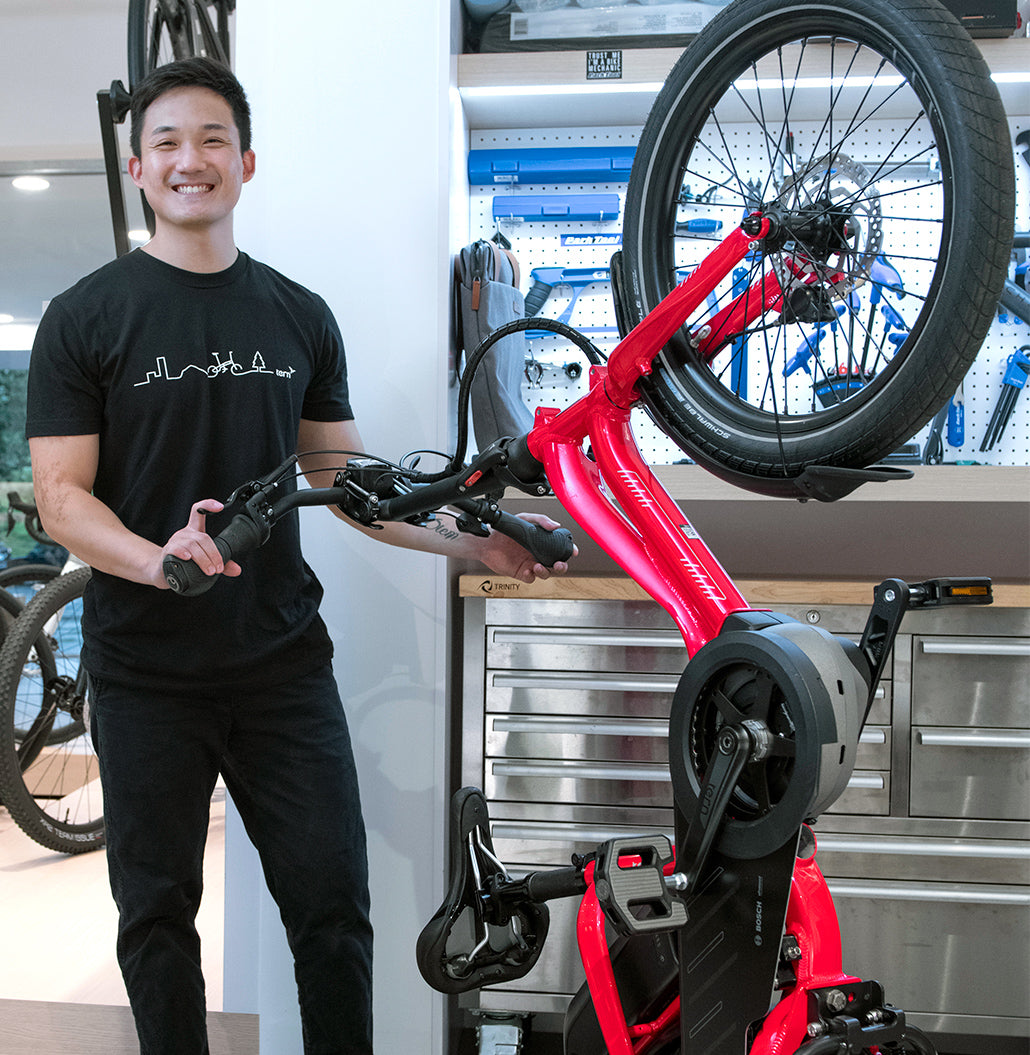
While DIY maintenance can keep your e-bike in shape, professional tune-ups ensure long-term performance. Over time, parts wear out and need replacing, from brake pads to drivetrain components. Certified technicians can spot early signs of wear, fine-tune key systems, and maximize efficiency, preventing unexpected breakdowns.
Investing in routine service checks doesn’t just help your ebike last longer, it keeps the ride smooth, safe, and enjoyable.
E-Bike Parts Availability: Why It Matters
A well-made e-bike can last 10 years or more, but only if replacement parts are available. Some manufacturers use proprietary components, which can be difficult, or impossible, to replace if they are discontinued. Without access to key components like batteries, controllers, or motor parts, an otherwise functional e-bike can become obsolete.
If you plan to resell or upgrade down the road, parts availability directly affects resale value. A bike that can't be serviced often ends up as electronic waste, making it disposable rather than sustainable. Choosing an e-bike with widely available, standard components ensures it stays on the road for years.
How to Choose a Long-Lasting E-Bike: Tern’s 'Built to Last' Philosophy
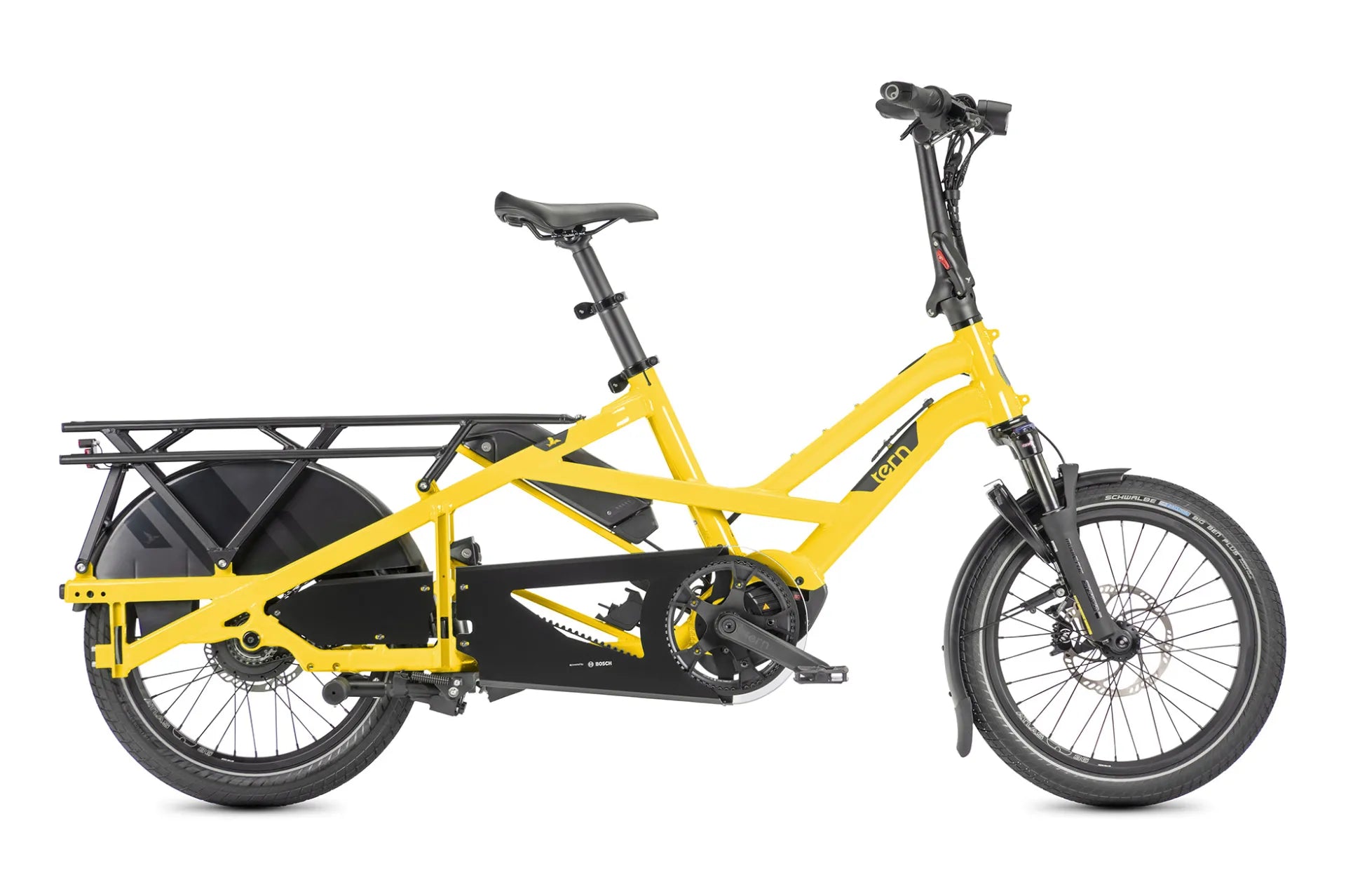
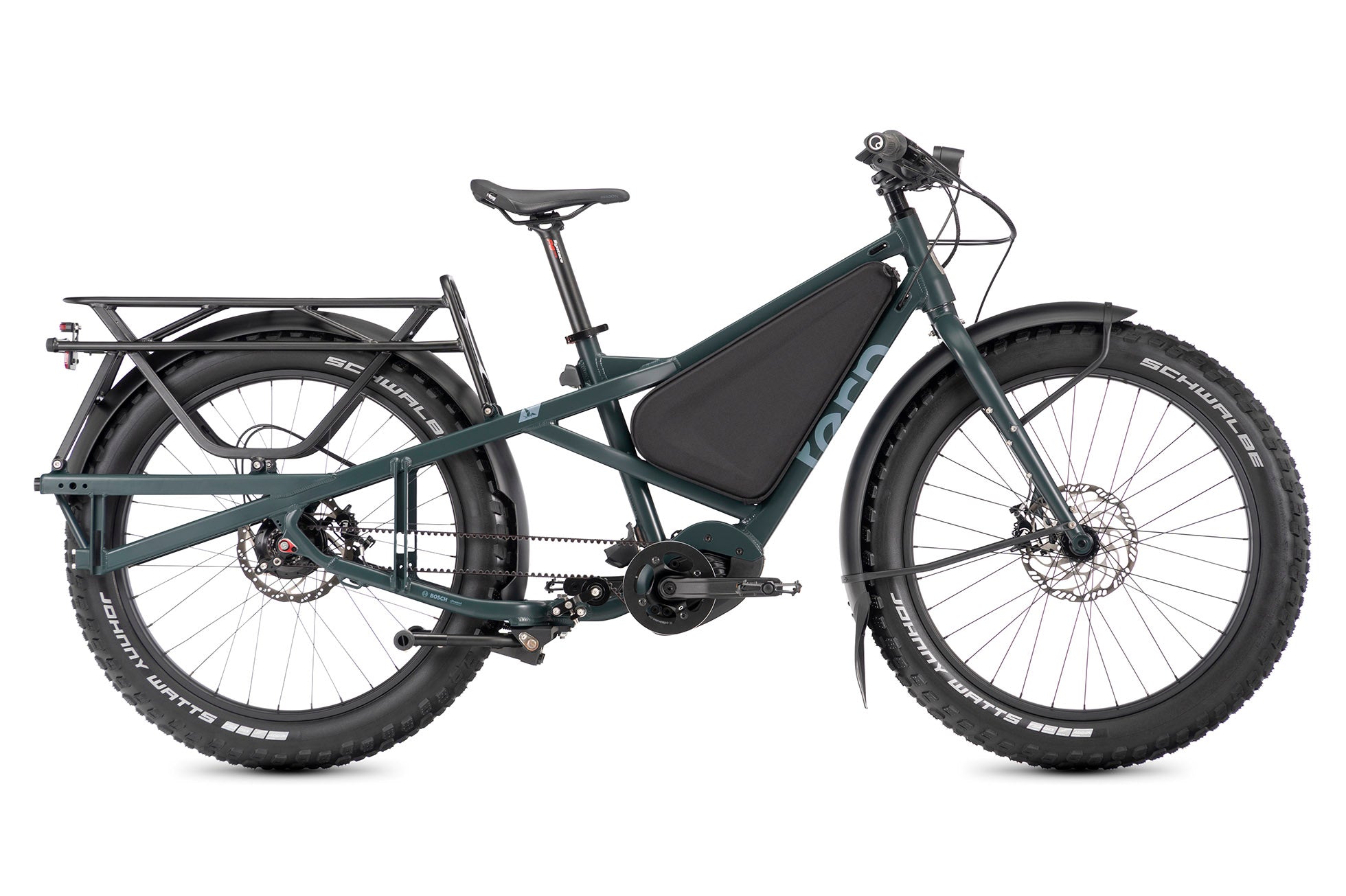
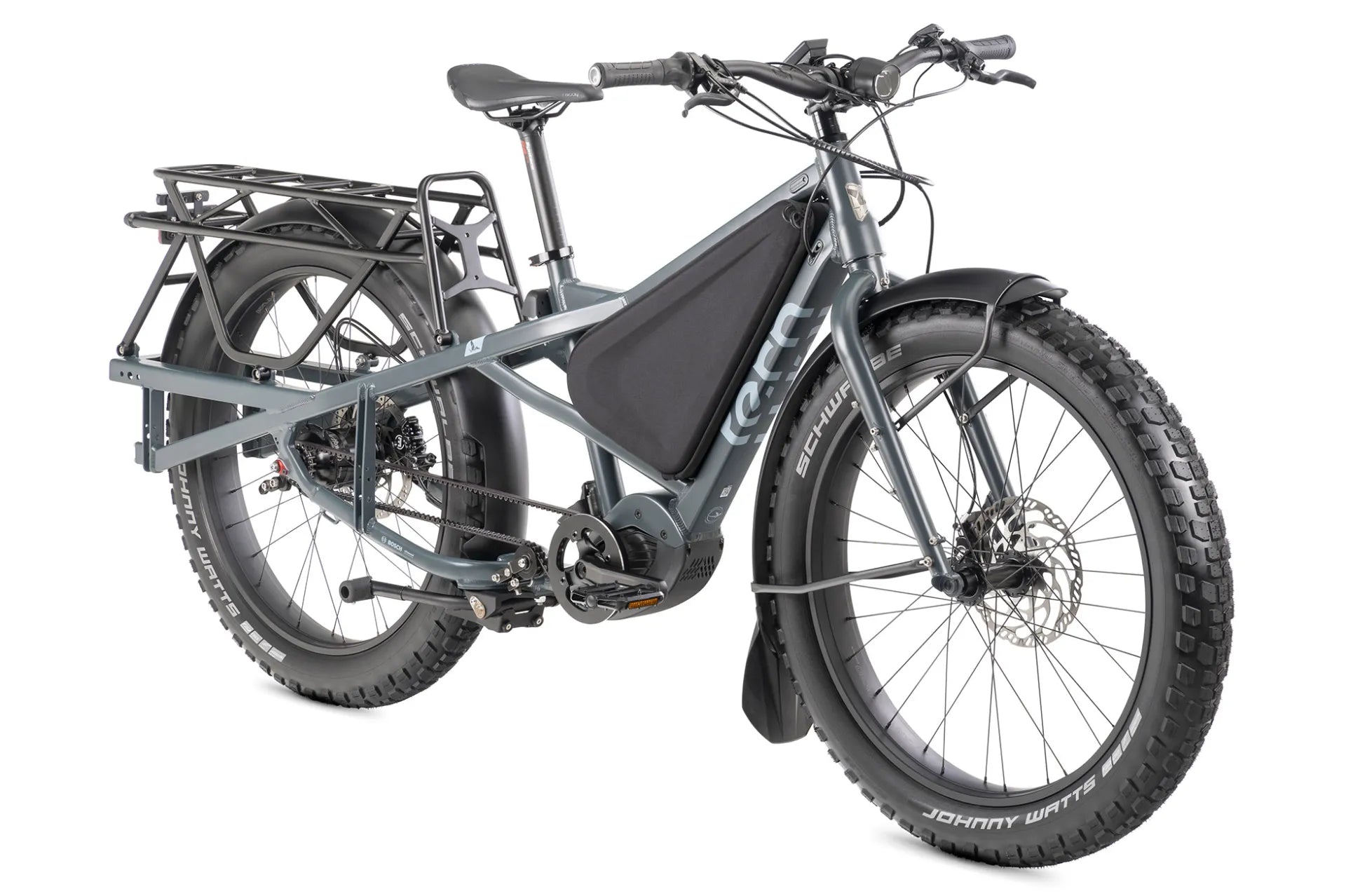
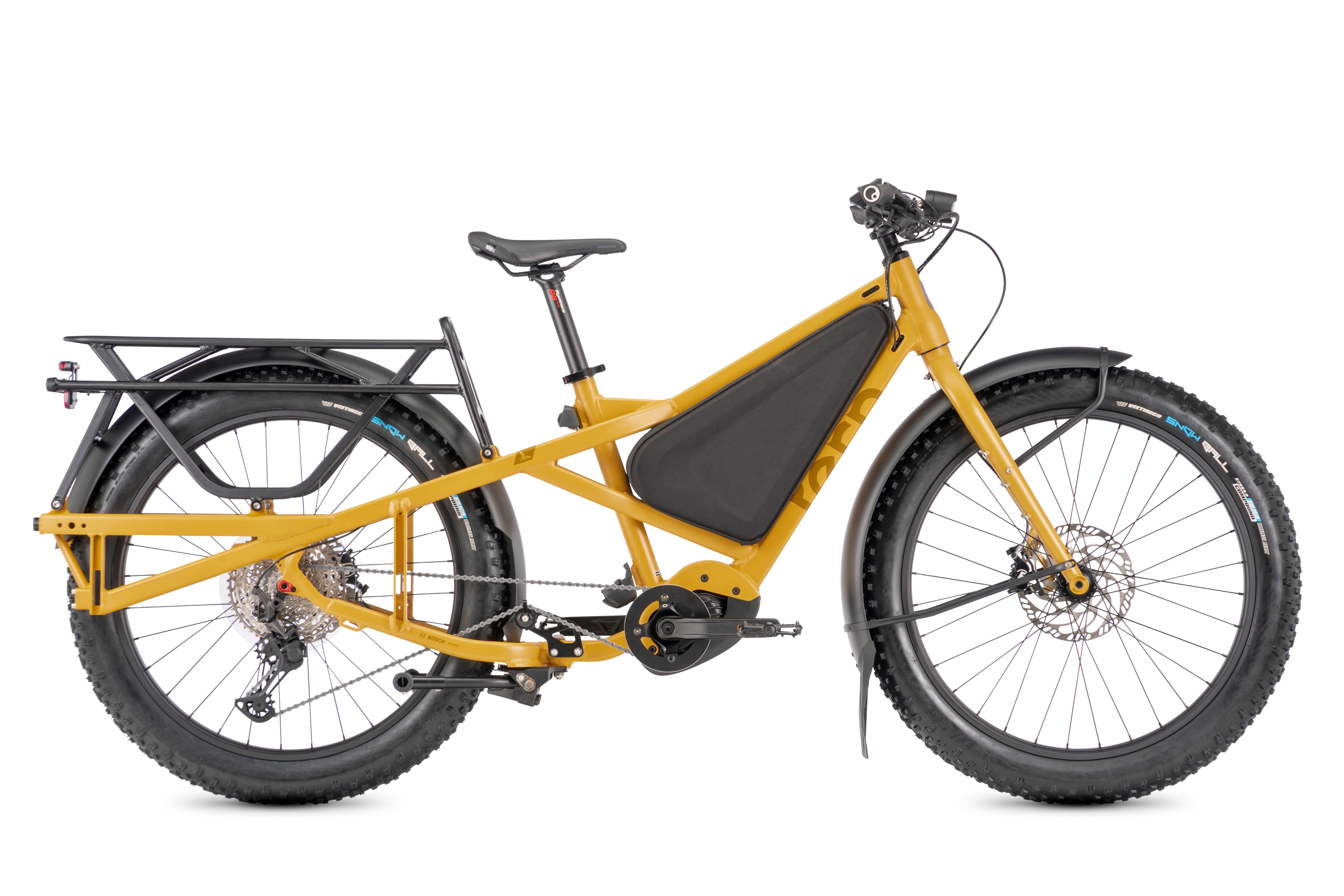
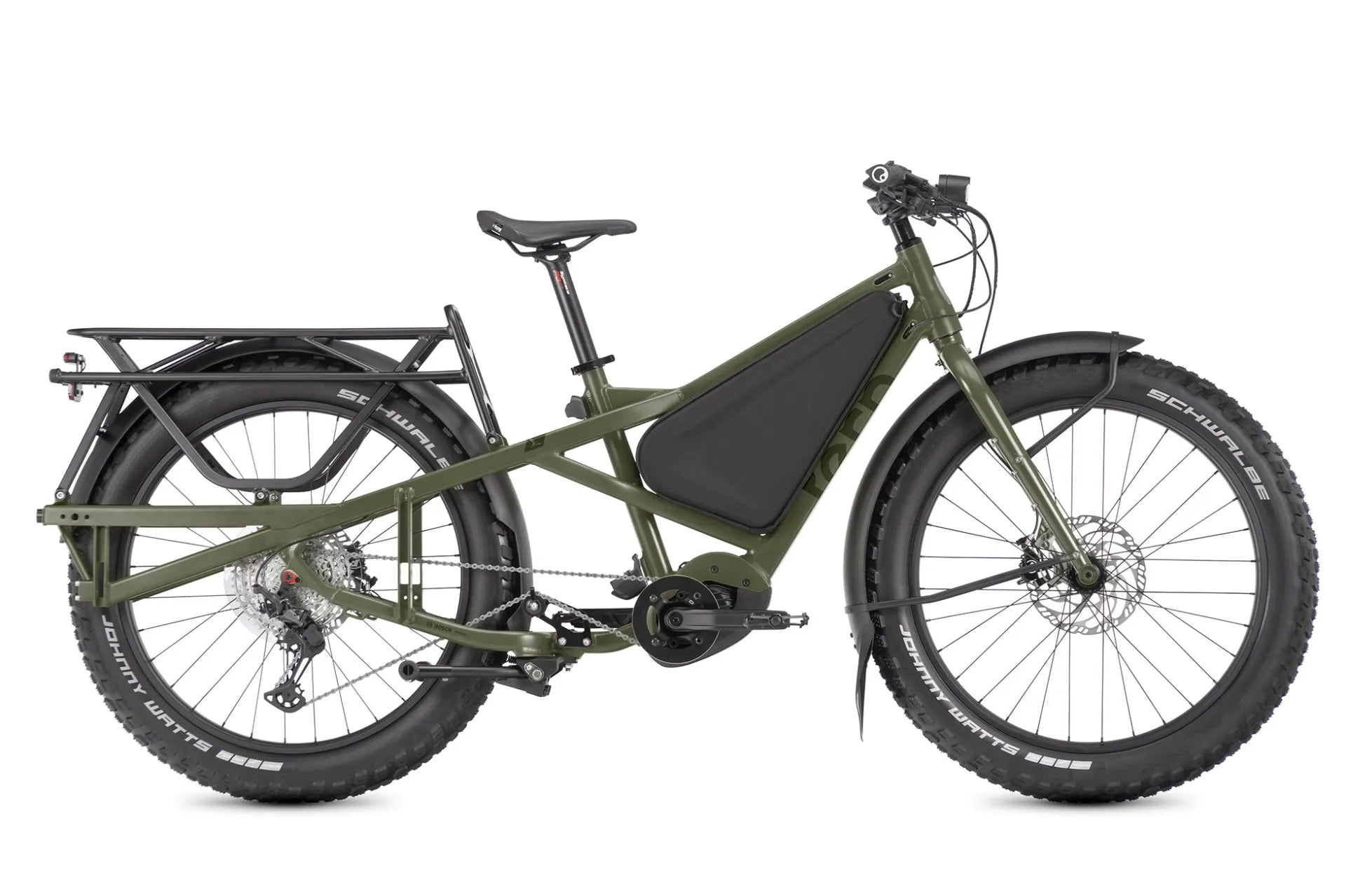
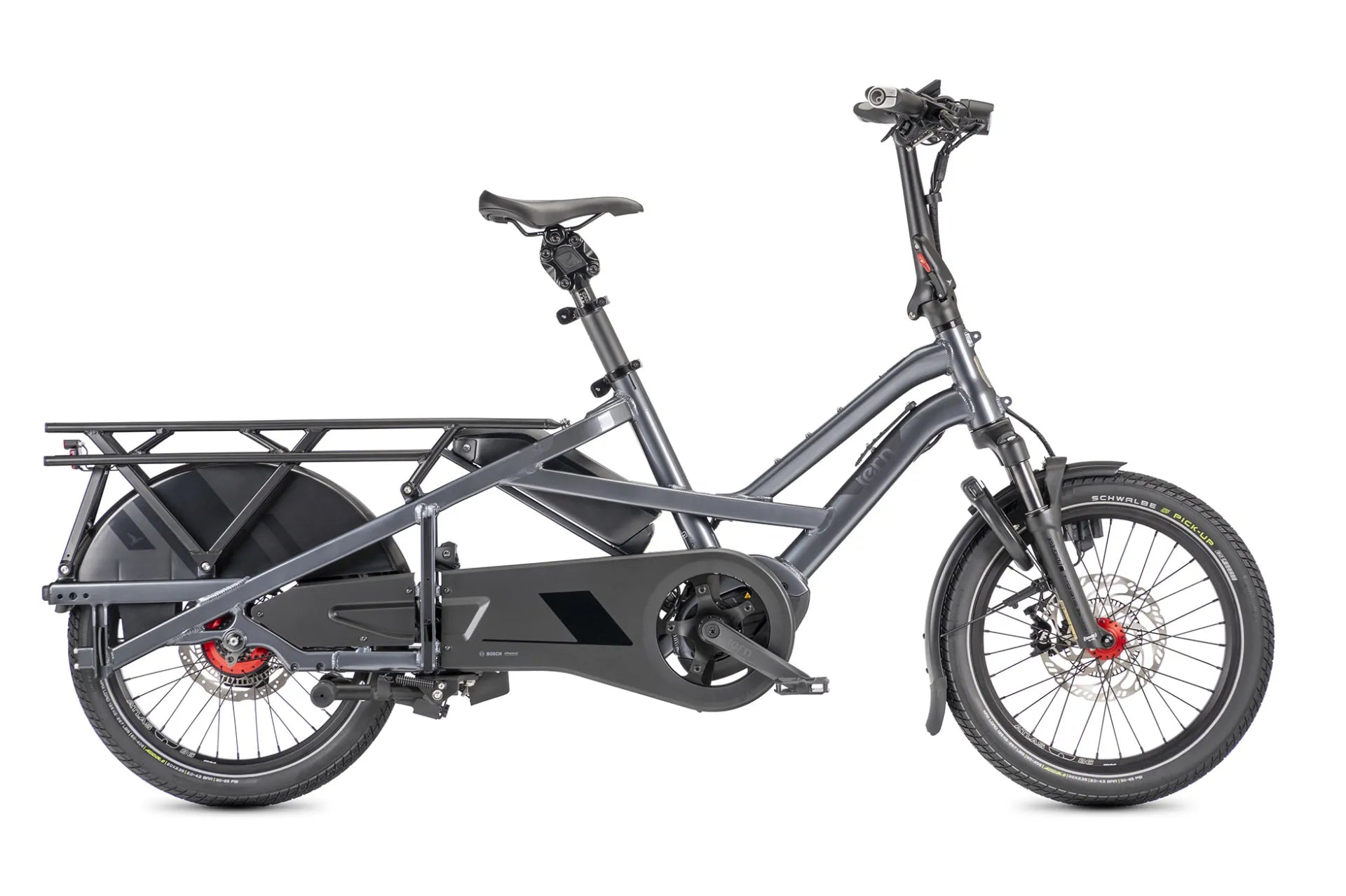
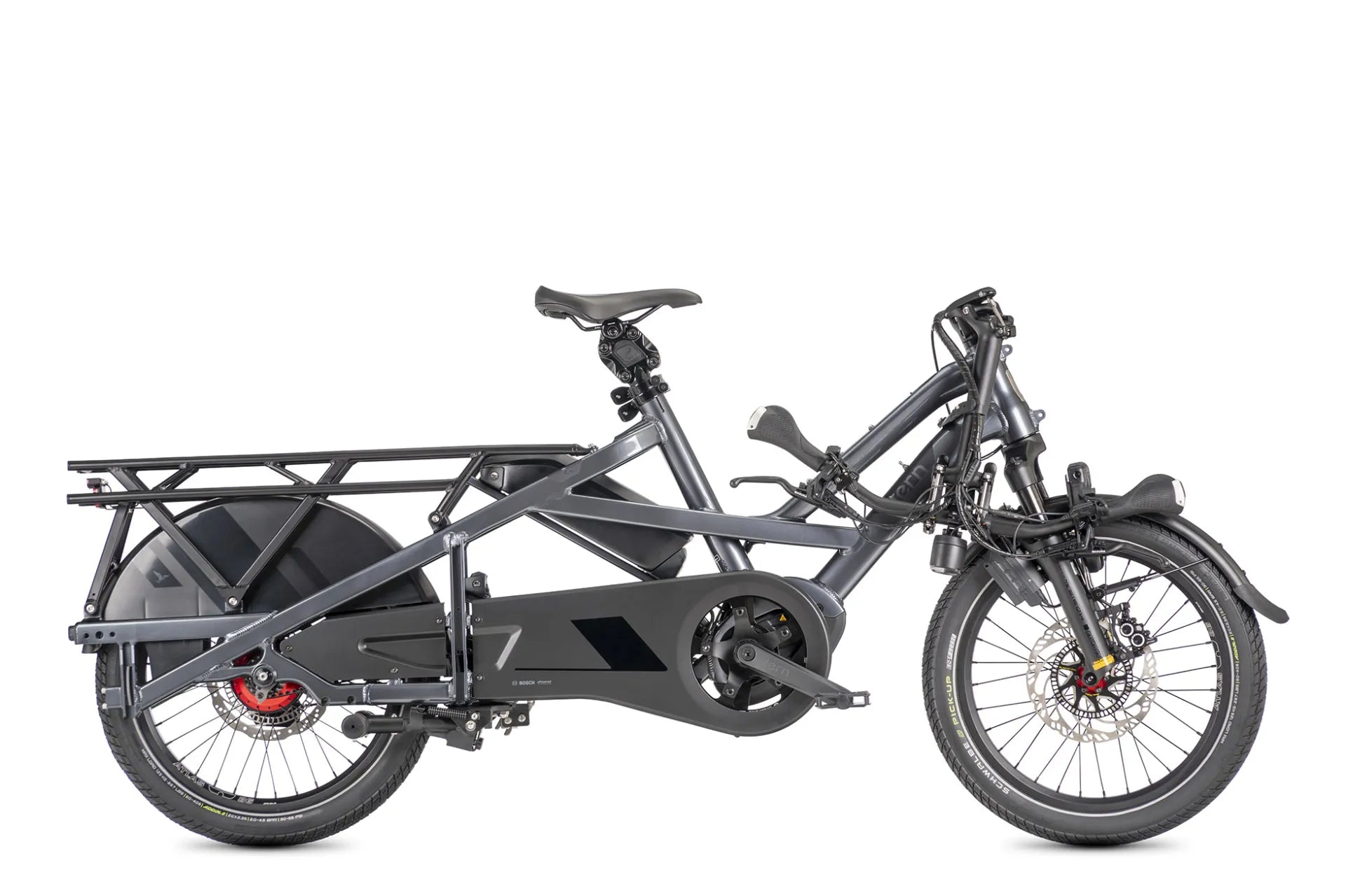
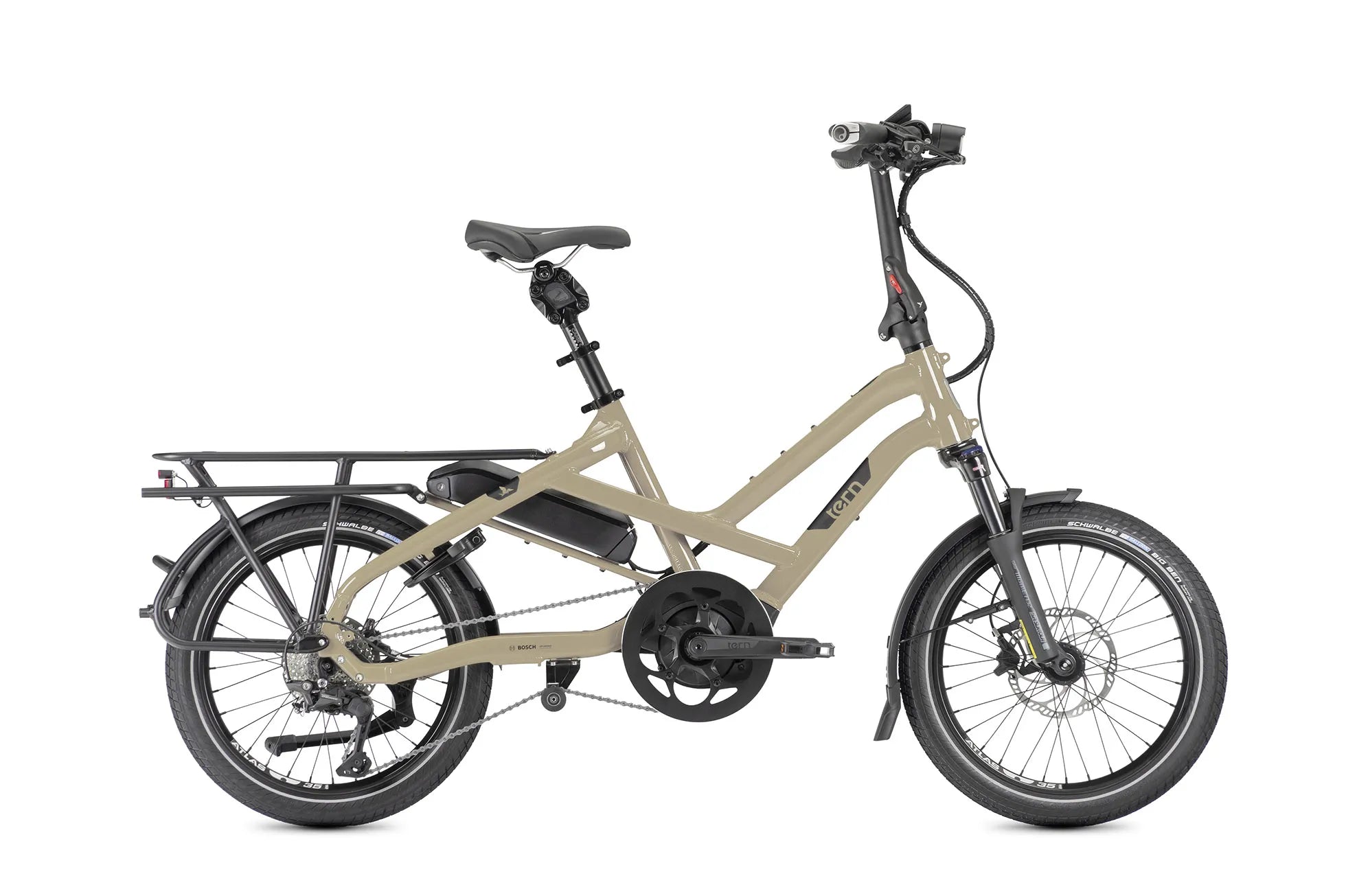
A quality e-bike isn’t just built to last, it’s engineered to thrive. With a durable, tested frame, a reliable e-bike system, regular service, and long-term parts availability, a well-designed e-cargo bike can stay on the road for over a decade.
At Tern, we don’t just believe in longevity, we engineer for it. Here’s how we ensure our electric bikes and electric cargo bikes stand the test of time:
- 10-Year Warranty on Key Components: Our frame, fork, and handlepost come with an extended 10-year warranty, reflecting our confidence in their strength and durability.
- High-Quality, Serviceable Parts: Our bikes are designed with replaceable components, ensuring you can keep them running for years.
- 7-Year Support for Essential Parts: We commit to replacement batteries, motors, and key components for at least seven years after purchase, so you’re never left searching for critical parts.
- Powered by Bosch for Long-Term Reliability: Almost all Tern ebikes and cargo ebikes use Bosch ebike systems, known for UL 2849-certified safety, efficiency, and durability. Bosch also ensures long-term parts availability and has a global service network.
- Expert Local Service: Tern e-bikes are sold through local bike shops with Bosch-certified technicians who provide precise setup, scheduled maintenance, and expert service, ensuring your e-bike stays in peak condition.
- Third-Party Testing for Cargo & Passenger Loads: Tern e-bikes and e-cargo bikes undergo rigorous third-party testing to meet industry standards like DIN 79010, ensuring they can handle real-world stress and heavy loads for years to come.
With these commitments, Tern e-bikes are built for the long haul—giving you a ride you can depend on for over a decade.
Frequently Asked Questions
1. How long do ebikes last?
A quality ebike can last 5–10 years or more with regular maintenance. The quality of key components like frames, batteries, and motors will significantly affect its lifespan.
2. What are the main safety certifications I should look for in an e-bike?
Look for UL 2849 or EN 15194 (EU Standard) for e-bike system safety to ensure the motor, battery, and electronics meet certified safety requirements. If you’re carrying passengers or cargo, look for ISO 4210 and EN 15194 that include frame stress testing. If you need a bike with a weight capacity higher than 120 kg (265 lb), look for DIN 79010 certification, which is the highest safety standard for cargo bikes.
3. How long do ebike batteries last?
Most ebike batteries last for 500–1,000 charge cycles, or 25–35 miles (40–56 km) per charge, meaning it can last from 3-8 years depending on usage, storage, and riding conditions.
4. What are some tips to make my ebike battery last longer?
Use a certified charger, keep the charge between 20–80%, charge and store it at room temperature to extend the battery lifespan.
Learn more here: How to Care for Your Bosch E-Bike Battery
5. How often should I service my bike?
Generally, we recommend getting a tune-up one month or 200 km after your e-bike purchase, and every 6 months or every 1,000 km for regular service checks. However, you might need more frequent checks if you ride daily or in tough conditions.